Autism Awareness Month at ARC: A Conversation on Neurodiversity, Access and Belonging
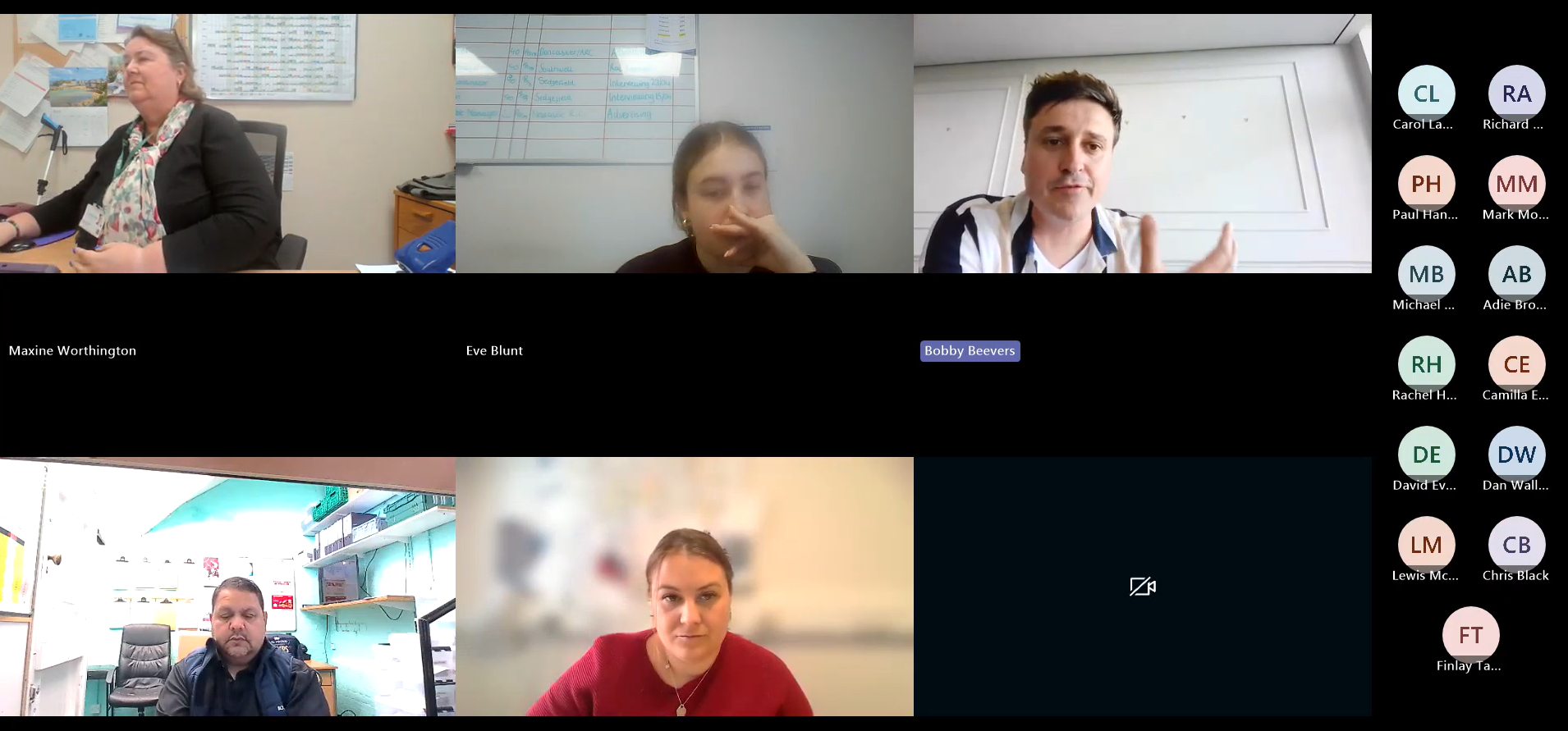
On Monday 27th April, as part of Autism Awareness Month, colleagues from across ARC joined a warm and thoughtful webinar on Neurodiversity in Racing, hosted by Bobby Beevers, Founder of Autism In Racing. Bobby joined from Doncaster Racecourse, with the session delivered virtually over Teams to a range of ARC sites, including racecourses, greyhound venues and group roles.
The session focused on a subject that matters deeply to both our colleagues and our customers: how we can better understand autism and neurodiversity, and how small, practical changes can make racecourses and workplaces feel more accessible, welcoming and inclusive.
Bobby began by explaining why neurodiversity matters in racing. Racecourses are exciting places, but they are also busy, fast-paced and full of sensory input. Large crowds, noise, queues, bright lights, changing schedules and the general unpredictability of a raceday can all create a significant sensory load. For some people, this can feel overwhelming and may lead them to leave early, avoid attending, or struggle to enjoy the day fully.
One of the clearest messages from the webinar was that not all access needs are visible. Many neurodivergent people may not disclose their needs, and many may already be part of our daily interactions, whether as customers, colleagues or visitors. The presentation reminded attendees that around one in seven people in the UK are neurodivergent, meaning this is not a niche issue, but something relevant to every part of our industry.
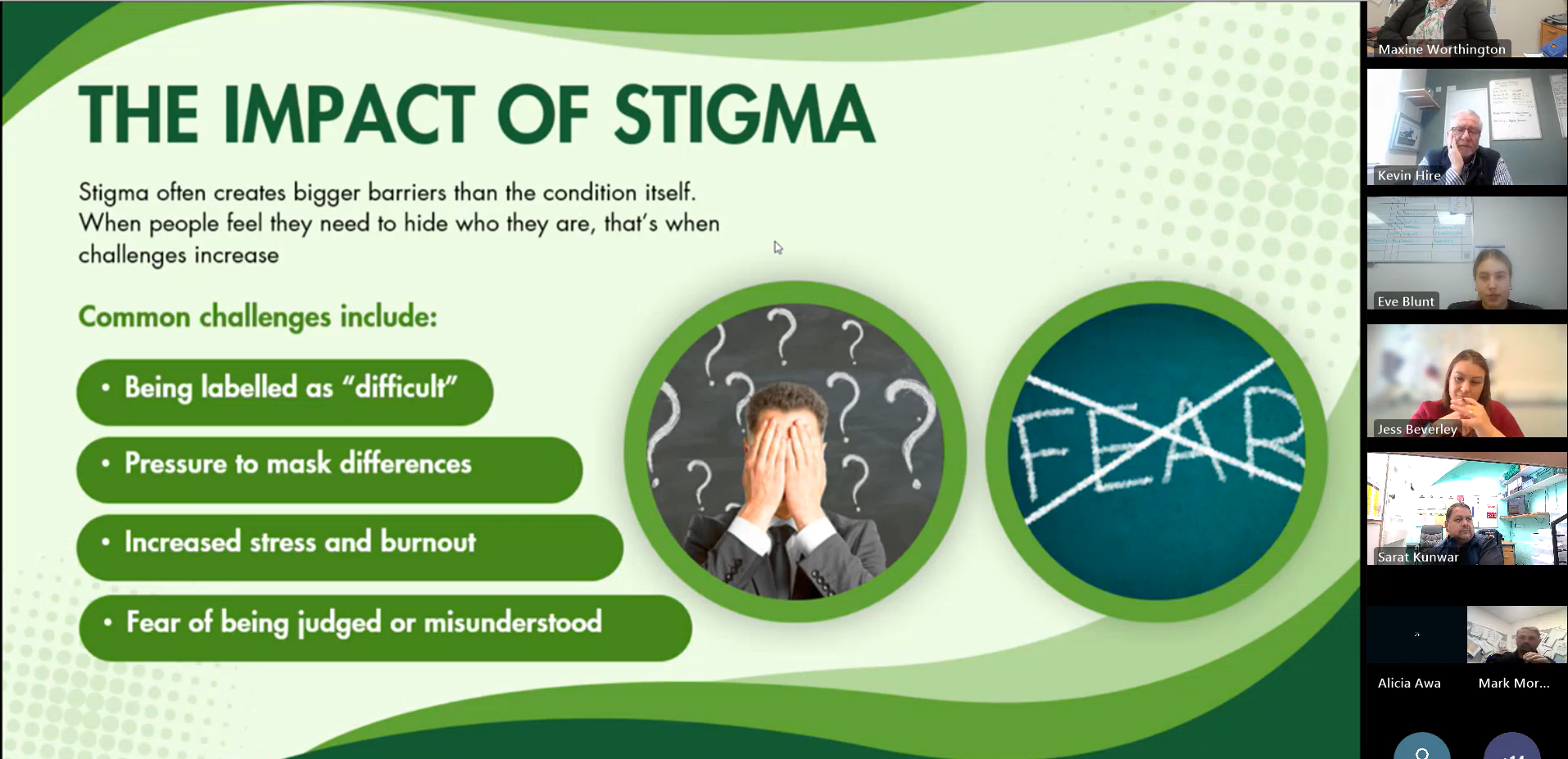
The session also challenged stigma. Neurodivergent individuals can often face more difficulty from misunderstanding than from neurodivergence itself. Labels such as “difficult”, pressure to mask differences, fear of judgement and increased stress or burnout can all create unnecessary barriers. Bobby encouraged attendees to look instead at neurodiversity through a strength-based lens, recognising qualities such as attention to detail, creativity, focus, honesty, logical thinking and alternative problem-solving approaches.
Overall, the session reinforced an important message: inclusion does not always require huge change. Often, it starts with awareness, empathy and a willingness to adapt. By understanding the neurological aspects of autism and neurodiversity, we can create better experiences for racegoers, stronger support for colleagues and more welcoming environments across the sport.
Autism Awareness Month gives us a valuable moment to reflect, but the work does not stop there. Neurodiversity is present every day, across our teams, our venues and our customers. By embracing that, racing can continue becoming a space where more people feel understood, supported and able to enjoy the experience in their own way.
